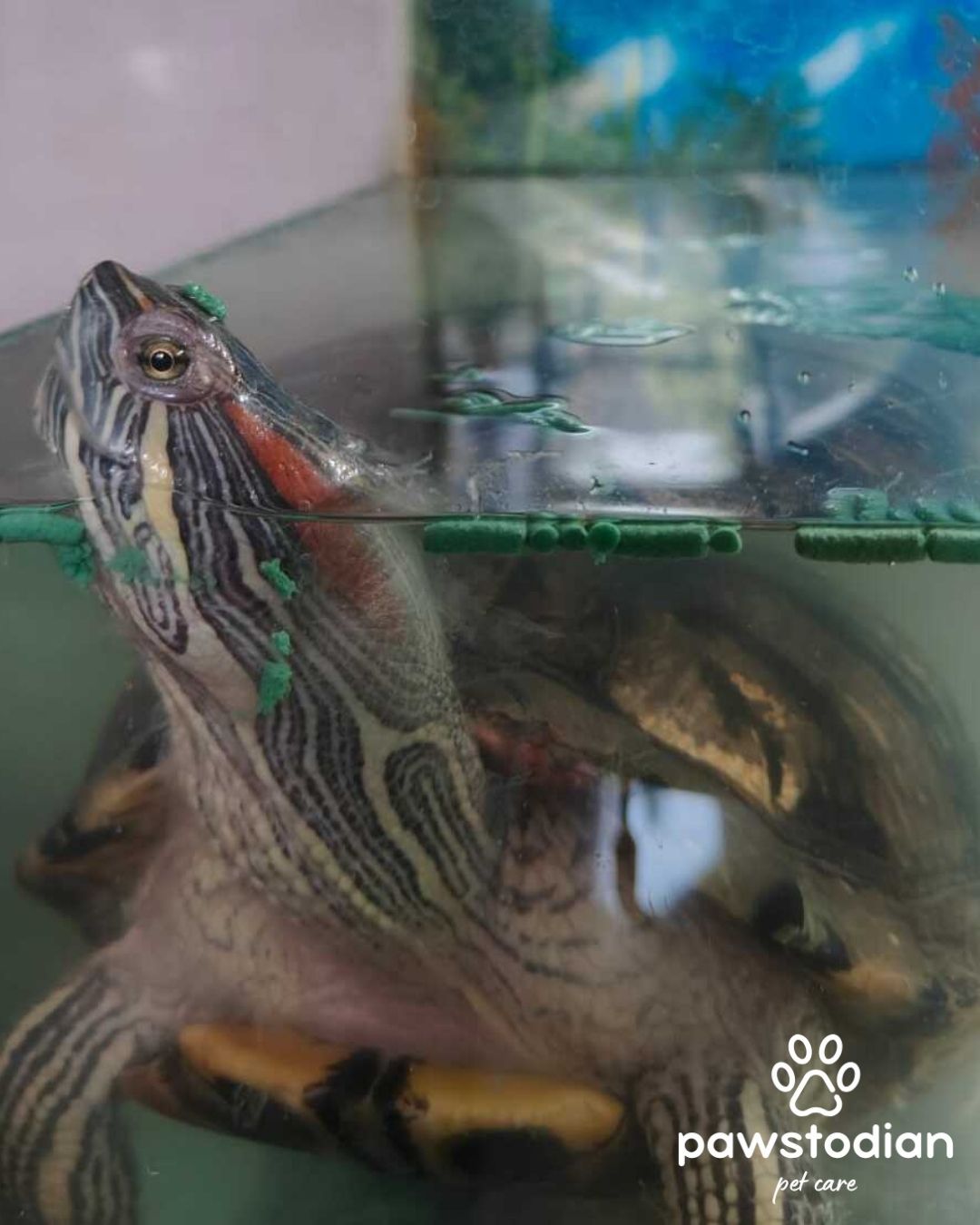
I share my home with a Red-Eared Slider Turtle, and my personal experience has shown me how even small environmental changes can impact their health. This guide is written from real pet-parent experience and is designed to help first-time turtle owners understand proper care, winter protection, signs of cold stress, and what to do if a turtle gets sick.
My Experience as a Red-Eared Slider Turtle Parent
When I first brought my Red-Eared Slider home, I assumed turtles were easy pets. However, during the first winter, I noticed reduced activity, poor appetite, and longer basking hours. After consulting reliable care resources and improving heating and habitat conditions, my turtle's health improved significantly.
That experience taught me one critical lesson: temperature control is everything for turtles. This blog is based on what I learned firsthand—so new owners can avoid common mistakes and give their turtles a healthy, comfortable life.
Is a Red-Eared Slider Turtle Right for You?
Red-Eared Sliders are:
- Long-living pets (20–30 years)
- Semi-aquatic reptiles
- Sensitive to environment and water temperature
- Not "set and forget" pets
👉 If you can commit to proper habitat care, heating, and hygiene, they can be wonderful companions.
Basic Care Requirements for Red-Eared Slider Turtles
1. Proper Habitat Setup
A healthy turtle needs:
- A large tank (minimum 40 gallons for one turtle)
- Clean, filtered water
- A dry basking area
- UVB and heat lamps
Rule of thumb:
👉 Bigger tank = healthier turtle
2. Ideal Temperature for Red-Eared Slider Turtles
Temperature is the most important factor, especially in winter.
| Area | Ideal Temperature |
|---|---|
| Water temperature | 24–28°C (75–82°F) |
| Basking area | 30–35°C (86–95°F) |
| Air temperature | 24–27°C (75–80°F) |
❄️ Cold water can weaken immunity and cause respiratory infections.
How to Take Care of Red-Eared Slider Turtles in Cold Weather
Cold weather is dangerous for turtles, especially indoors without proper heating.
✅ Use a Water Heater
- Install a submersible aquarium heater
- Maintain stable water temperature (never fluctuating)
- Always use a thermometer
✅ Provide a Heat Lamp
- Use a basking lamp + UVB lamp
- Keep lamps on for 10–12 hours daily
- Ensure the basking area is completely dry
✅ Avoid Cold Drafts
- Keep tank away from windows and doors
- Avoid placing tank on cold floors
- Never expose turtle to direct cold air
Signs Your Turtle Has Caught a Cold
Red-Eared Slider Turtles do get sick from cold, and symptoms should never be ignored.
🚨 Common Signs of Cold or Respiratory Infection:
- Lethargy (less movement)
- Loss of appetite
- Wheezing or clicking sounds
- Runny nose or bubbles from nostrils
- Swollen or closed eyes
- Floating sideways in water
👉 If you notice 2 or more symptoms, act immediately.
What to Do If Your Turtle Gets a Cold
🐢 Step-by-Step Immediate Care
- Increase Water Temperature
- Gradually raise to 28–29°C (82–84°F)
- Do NOT make sudden temperature changes
- Ensure Proper Basking
- Turtle must bask daily to recover
- Keep basking area warm and dry
- Keep the Tank Extra Clean
- Change water more frequently
- Dirty water worsens infections
- Do NOT Give Human Medicine
- Never use antibiotics without a vet
- Avoid home remedies found online
- Visit a Reptile Vet
- If symptoms persist for 48 hours
- Respiratory infections can be fatal if untreated
Feeding Tips During Cold Weather
- Feed less but nutritious food
- Offer:
- Turtle pellets
- Leafy greens (romaine lettuce, dandelion greens)
- Occasional protein (worms, insects)
⚠️ Never feed if the turtle is too cold—it may cause digestion problems.
Common Mistakes First-Time Turtle Owners Make
- ❌ No water heater
- ❌ Small tanks
- ❌ No UVB light
- ❌ Ignoring early sickness signs
- ❌ Assuming turtles don't feel cold
👉 Turtles rely entirely on you for warmth and health.
Frequently Asked Questions
❓ Can Red-Eared Slider Turtles survive cold weather?
Yes, but only with proper heating. Prolonged cold exposure can cause serious illness.
❓ Do turtles hibernate indoors?
No. Indoor turtles should never hibernate.
❓ How long can a turtle stay cold?
Even 24–48 hours of cold exposure can weaken their immune system.
Final Thoughts: Responsible Turtle Ownership
Adopting a Red-Eared Slider Turtle means:
- Providing warmth
- Monitoring health
- Acting early when problems appear
At Pawstodian, we believe every pet deserves informed, responsible care—especially first-time owners.
Tags
Share this article
Help others discover this helpful content